
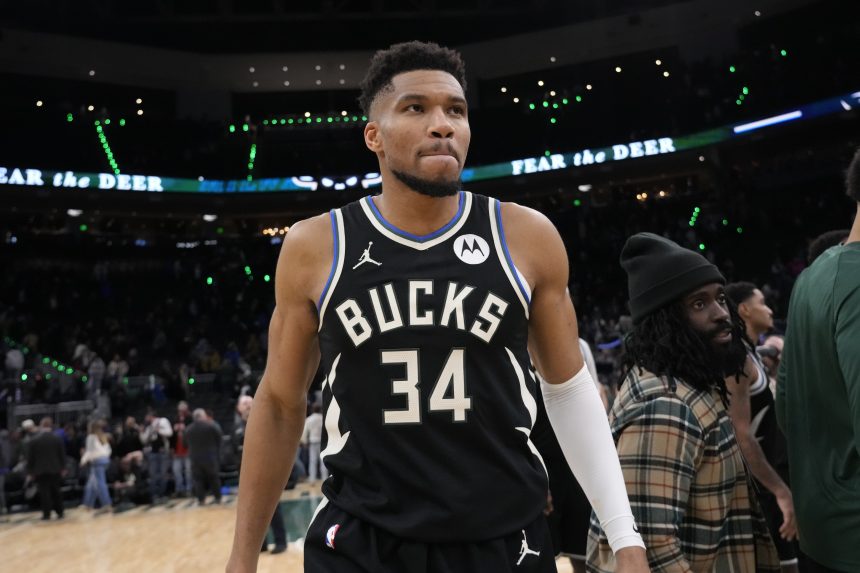
The Milwaukee Bucks closed the most consequential chapter in franchise history on Monday night, agreeing to trade two-time MVP Giannis Antetokounmpo and Bobby Portis to the Miami Heat in a deal that returns four players and a stack of draft capital, according to ESPN’s Shams Charania.
The agreement, reached the night before the 2026 NBA Draft, ends a saga that hung over the organization for more than a year and formally launches a rebuild in Milwaukee.
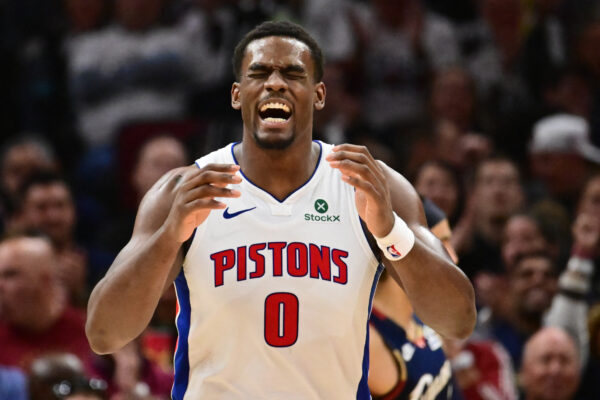
In exchange for Antetokounmpo and Portis, the Bucks are receiving guard Tyler Herro, center Kel’el Ware, forward Jaime Jaquez Jr. and guard Kasparas Jakucionis, along with three first-round picks, one pick swap and one second-round pick. The most immediate asset is the No. 13 selection in Tuesday’s first round, which Milwaukee now controls alongside its own No. 10 pick. The deal is structured as a one-to-one move and will be formally executed July 6, which leaves the framework open to expand before then.
A franchise legend departs
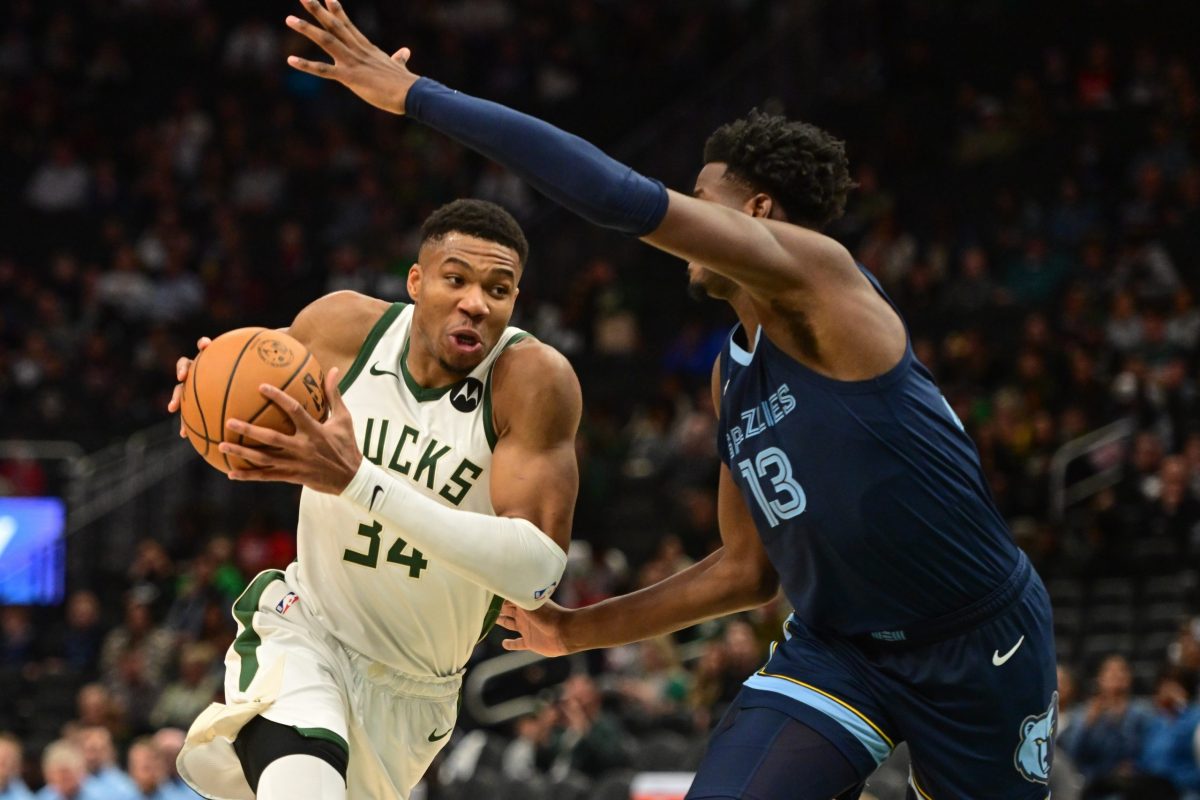
Antetokounmpo leaves as the greatest player the Bucks have ever produced. The former No. 15 pick in the 2013 draft spent 13 seasons in Milwaukee and stands as the franchise leader in games, minutes, points, rebounds, assists and blocks, with 56 triple-doubles to his name. He is a 10-time All-Star, the 2019-20 Defensive Player of the Year and the engine of the 2021 championship team, when he scored 50 points to close out the title and averaged 35.2 points, 13.2 rebounds and 5.0 assists per game across the Finals.
Even in a season cut short by injury, he remained dominant. Antetokounmpo played a career-low 36 games last season, and when healthy he averaged 27.6 points, 9.8 rebounds and 5.4 assists per game on 62.0 percent shooting from the field. The production was never the question. The relationship was, as Antetokounmpo and his agent, Alex Saratsis, informed the Bucks repeatedly from May 2025 onward that he believed it was best for both sides to part ways.
Co-owner Jimmy Haslam set the clock in early May, stating that the team wanted a decision by the June 23 draft for Antetokounmpo to either sign an extension in October or be moved. The resolution arrived a day ahead of that deadline.
The decline that forced the move
The breakup did not happen in a vacuum. Milwaukee has won just one playoff series since the 2021 title, suffering three straight first-round exits before missing the postseason entirely last season at 32-50. The roster churn around Antetokounmpo grew costly, and the bench behind him on the sideline turned over just as quickly, with Mike Budenholzer fired in 2023, Adrian Griffin lasting barely half a season and Doc Rivers departing this April.
That backdrop made the franchise’s decision less about whether to move on and more about what it could recoup. Milwaukee, in the end, prioritized a clean reset over one more retooling attempt.
Breaking down Milwaukee’s haul
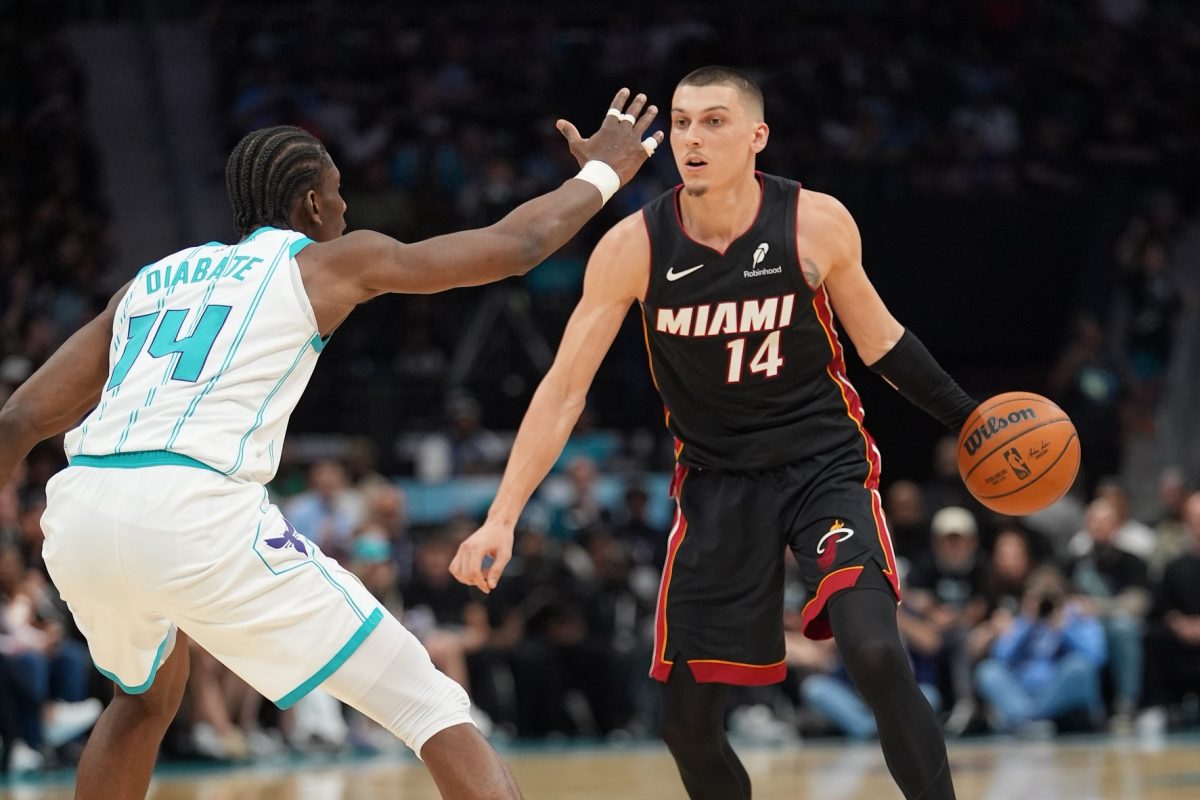
The centerpiece of the Bucks’ return is volume rather than a single star. General manager Jon Horst, who told teams at the May combine that Milwaukee was open for business, came away with four rotation-aged players and a war chest of future selections.
Herro, a 26-year-old Milwaukee native who starred at nearby Whitnall High School in Greenfield, Wisconsin, is the most accomplished of the group. He made his first All-Star team in 2025 and has averaged 19.5 points per game across seven seasons, though he played just 33 games last season after September surgery on his left foot.
Jaquez, 25, finished as the runner-up for Sixth Man of the Year, averaging 15.4 points, 5.0 rebounds and 4.7 assists per game over 75 games. Ware, a 22-year-old 7-footer taken 15th in 2024, averaged 11.0 points and 9.0 rebounds per game and carries a career 37.0 percent stroke from 3-point range, though he moved in and out of Erik Spoelstra’s rotation. Jakucionis, the 20th overall pick a year ago, is just 20 years old and averaged 6.2 points in 17.8 minutes per game as a rookie.
The draft capital may matter more than any single player. Beyond the No. 13 pick, Milwaukee acquired unprotected Miami first-rounders in 2031 and 2033, a pick swap in 2030 and a 2033 second-round pick, per ESPN’s Zach Kram and Ben Golliver. Those distant firsts could carry real weight, given how unlikely the Heat are to bottom out within that window.
Why Milwaukee chose Miami over Boston
The Bucks did not lack for suitors. The Boston Celtics pushed hard, offering 2024 Finals MVP Jaylen Brown and two first-round picks, with Miami and Boston emerging as the two finalists. Milwaukee favored the Heat’s package of younger players, controlled contracts and long-term flexibility over a veteran, win-now return built around Brown.
That choice frames the franchise’s new direction. Rather than retool on the fly, Milwaukee reset the timeline for new coach Taylor Jenkins, who oversaw a small-market rebuild with the Memphis Grizzlies from 2019 to 2025 before arriving this offseason.
The rebuild starts from a tough spot
The return is substantial, but the surrounding circumstances are not forgiving ESPN graded Milwaukee’s side of the deal a B+ but noted the Bucks came away without an obvious centerpiece, having traded a singular superstar for a large quantity of smaller assets rather than one comparable star in return.
The bigger constraint is what Milwaukee does not have. The Bucks do not control their own first-round pick in 2027, 2028, 2029 or 2030, and they remain financially tight after waiving and stretching the remaining $113 million on Damian Lillard’s contract over five seasons last summer to sign Myles Turner to a four-year, $108 million deal.
Portland, meanwhile, owns Milwaukee’s 2029 first-rounder and holds swaps in 2028 and 2030 from the Lillard trade, assets that only gained value as the Bucks slid toward a rebuild.
Turner’s role on a reshaped roster is now an open question, and so is Herro’s. The Milwaukee native is a free agent after the 2026-27 season, and ESPN floated the idea that the Bucks could flip him for additional draft capital rather than commit a win-now guard to a team built for the future.
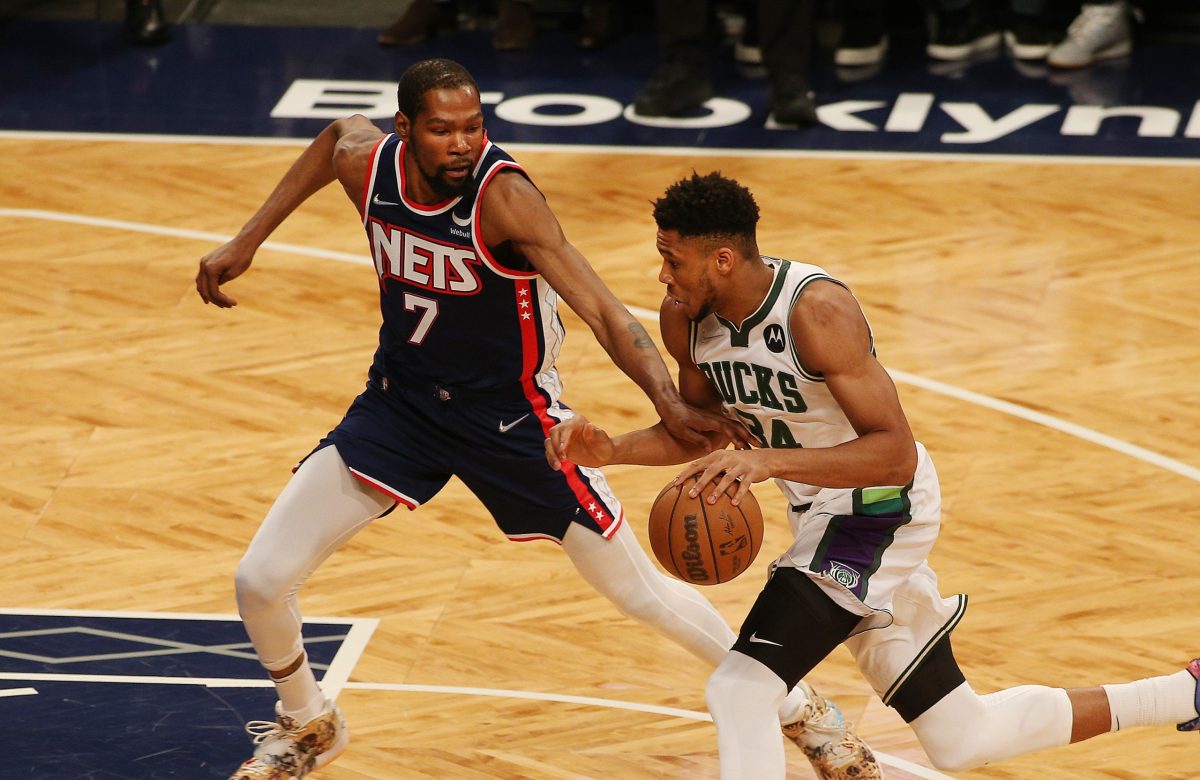
History offers a sobering reference point for the patience required: The Houston Rockets needed four years after trading James Harden to return to the playoffs, and the Brooklyn Nets have not been back in the three full seasons since they dealt Kevin Durant.
How fans are taking it
The mood in Milwaukee is closer to acceptance than anger. Reaction on the team’s main fan forum skewed toward retrospection, with sadness and a measure of relief running nearly even, and the most upvoted responses thanked Antetokounmpo and called him the greatest Buck of all time.
Much of the frustration, tellingly, was aimed at the front office and ownership rather than the terms of the trade. Across the broader NBA fan base, the sharper debate was whether Milwaukee’s future might actually be brighter than Miami’s, given how plainly the past two seasons exposed the ceiling of the old roster.
What to watch tonight
Milwaukee enters the draft holding two selections inside the top 13 for the first time in years and a clear mandate to get younger. Whether the Bucks keep both picks, package them to move up or flip a veteran such as Herro will offer the first real signal of how Jenkins and Horst intend to rebuild.
The Giannis era in Milwaukee is over. The question now is how quickly the next core can take shape.