

LeBron James has been a member of the Philadelphia 76ers for barely a day, and the question hanging over the league has already shifted from where to why.
Why not Cleveland, the franchise of his first 11 seasons and two homecomings? Why not Miami? And were the swirling reports about Kyrie Irving and Anthony Davis trades ever real?
On Saturday morning, the reporter who has covered James longer than anyone answered nearly all of it. ESPN’s Brian Windhorst published a full inside account of the decision, and the Cleveland portion lands hardest: by his reporting, there were “three strikes against Cleveland” — and the most painful one was a trade the Cavaliers made five months ago for a completely different reason.
The 3 strikes against Cleveland
Windhorst’s reporting dismantles the assumptions that powered a month of Cavaliers optimism one at a time.
The first was family. The prevailing theory held that a return to Northeast Ohio carried built-in advantages no rival could match. Per Windhorst, family considerations simply were not a factor in the choice.
The second was the front office’s inaction. Philadelphia traded for Jaylen Brown at the start of free agency; Cleveland made no comparable swing, and Windhorst reports the front office’s unwillingness to make a deal for Brown counted directly against the Cavs in James’ evaluation. The team that moved boldest got the reward.
The third strike is the one Cleveland never saw coming — because it was thrown in February.
The trade that quietly ended it
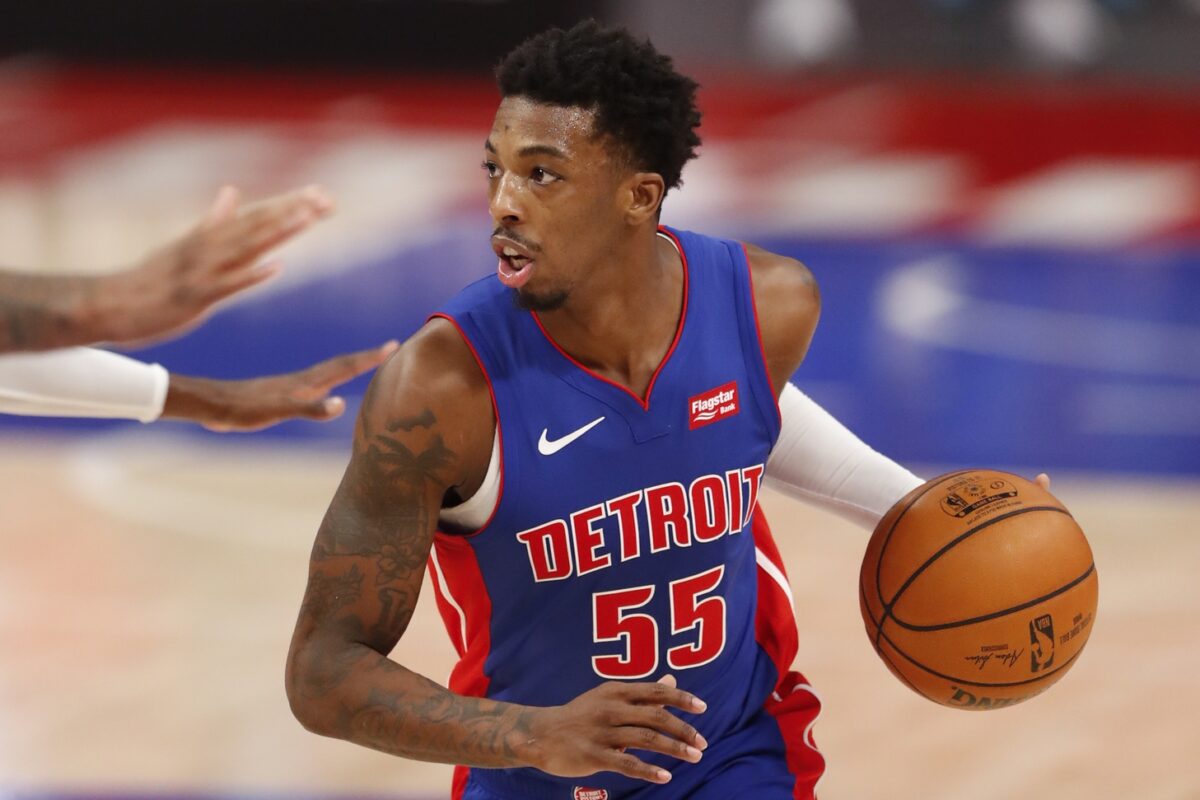
When the Cavaliers acquired James Harden from the Los Angeles Clippers at the deadline, the price was Darius Garland. At the time, it read as a win-now consolidation. In hindsight, per Windhorst, it was the move that closed the door on LeBron James.
The nuance matters. Windhorst reports it was not that Cleveland employing Harden bothered James — it was who Cleveland no longer employed. Garland is represented by Klutch Sports and had built a relationship with James over a period of years.
Ship him out, and the Cavs shipped out their strongest human bridge to the most important free agent alive. The proof sits in Philadelphia.
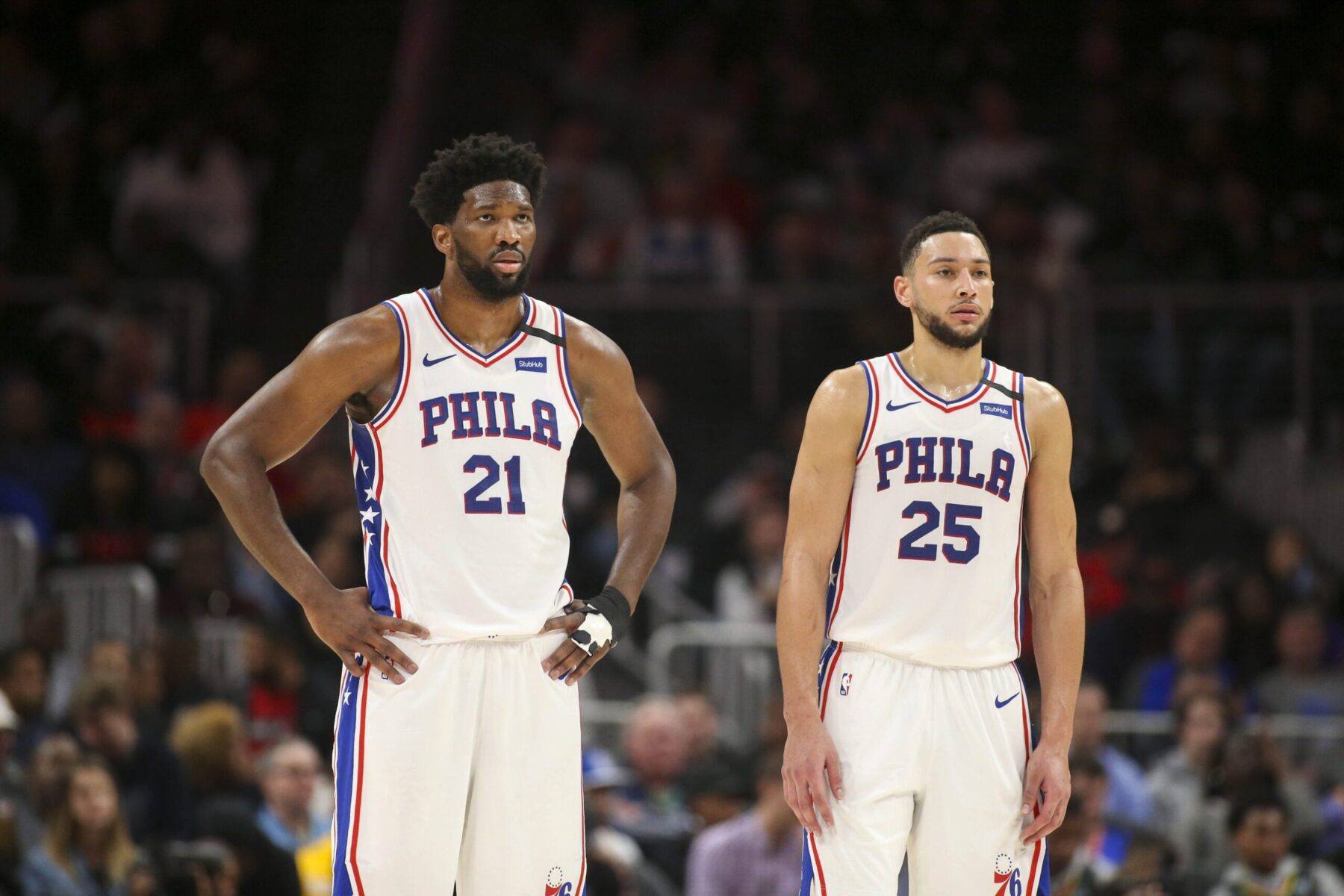
Tyrese Maxey — also a Klutch client, also close with James — was a decisive factor in the 76ers landing him, per Windhorst, precisely because joining a roster full of egos and needs is easier with a trusted point guard already in place. Cleveland and Philadelphia presented mirror-image versions of the same variable, and the variable decided it.
No, LeBron never demanded a Kyrie or AD trade
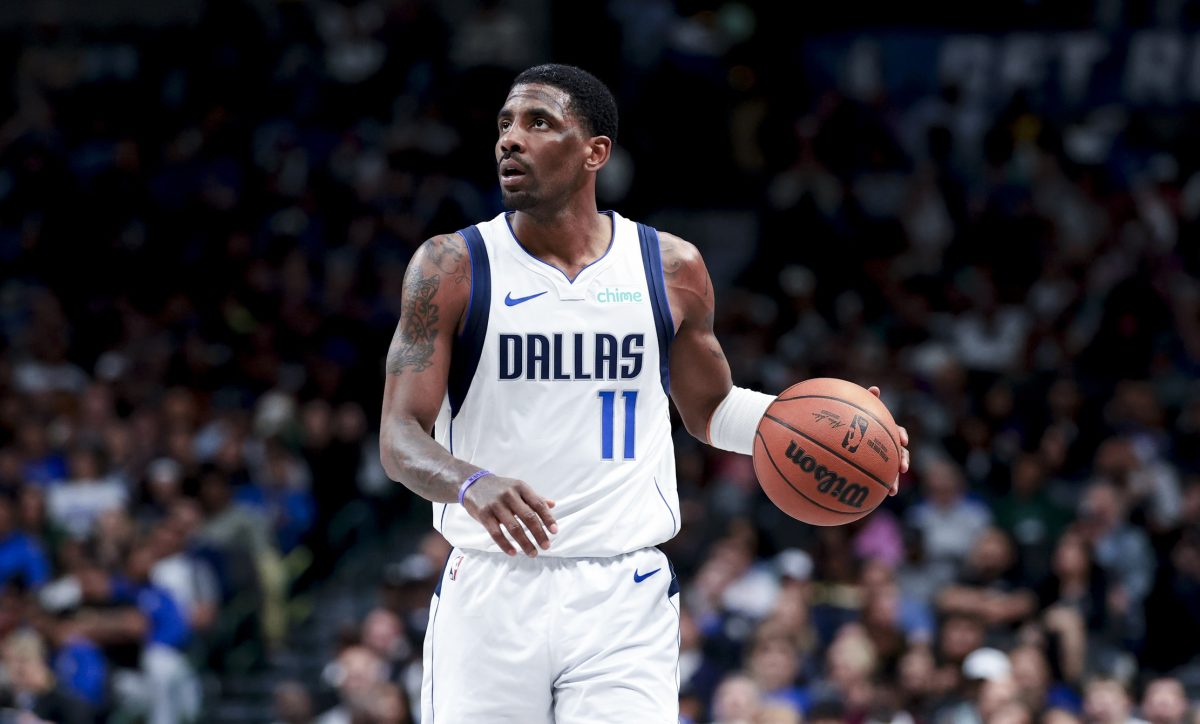
The tell-all also buries the theory that dominated the final week of the saga: that James was stalling while the Cavaliers or Golden State Warriors chased a trade for Irving or Davis.
Neither the Washington Wizards nor the Dallas Mavericks ever had any interest in trading their stars — and more pointedly, neither James nor agent Rich Paul ever made a trade for Davis or Irving a condition of signing anywhere. No demand was made of any team.
Both stars are expected to open the season right where they are, Davis in Washington and Irving in Dallas. A week of speculation — including the notion that the entire league was frozen awaiting a superstar trade that would unlock James’ choice — turns out to have been built on nothing the principals actually did.
That is a meaningful correction of the record. The reunion theory was always emotionally satisfying: James won his 2016 title in Cleveland alongside Irving and his 2020 title in Los Angeles alongside Davis.
But satisfying is not the same as sourced, and the definitive reporting says the demands never existed.
What “basketball happiness” actually meant
Back in early July, Paul said James’ decision would be driven by basketball happiness, a phrase the league spent three weeks trying to decode. Windhorst’s piece supplies the translation: for James, basketball happiness meant winning immediately.
James said as much in his own announcement, writing that he believes he can “help make the Philadelphia 76ers a championship team” as he begins the final chapter of his career.
His choice hinged on the pursuit of a fifth championship, and he judged Philadelphia the best situation for it with Joel Embiid, Maxey and Brown all recruiting him directly.
The market agrees with the reasoning. Philadelphia sits at +1000 to win the 2026-27 title after opening the offseason at +6000, per Forbes — trailing only the Spurs, Thunder and reigning-champion Knicks. Whatever else the decision was, it was not sentimental.
The counterfactual Cleveland lives with
Here is the part that will haunt Northeast Ohio. Windhorst’s piece sketches the team the Cavaliers could have fielded: a starting five of James, Donovan Mitchell, Harden, Evan Mobley and Jarrett Allen — a powerhouse he assesses as a genuine rival to what Philadelphia now rolls out with James, Maxey, V.J. Edgecombe, Brown and Embiid.
The talent was never the problem. The Cavs had the stars, the coach and the hometown pull. What they lacked, by the accounting published Saturday, were three specific things: a decision-maker willing to pay for Jaylen Brown, a roster that still included Darius Garland and any advantage from geography at all.
Cleveland will spend the season measuring itself against a superteam it helped create by standing still. And the sharpest lesson of the Windhorst tell-all is that the Cavs’ fatal mistake was not made in July, when the whole league was watching. It was made in February, when nobody understood what was really being traded away.