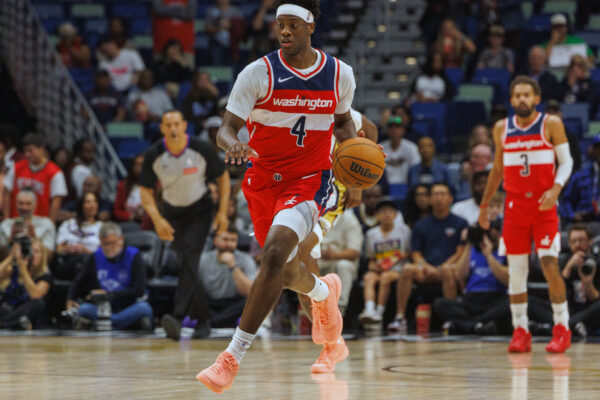

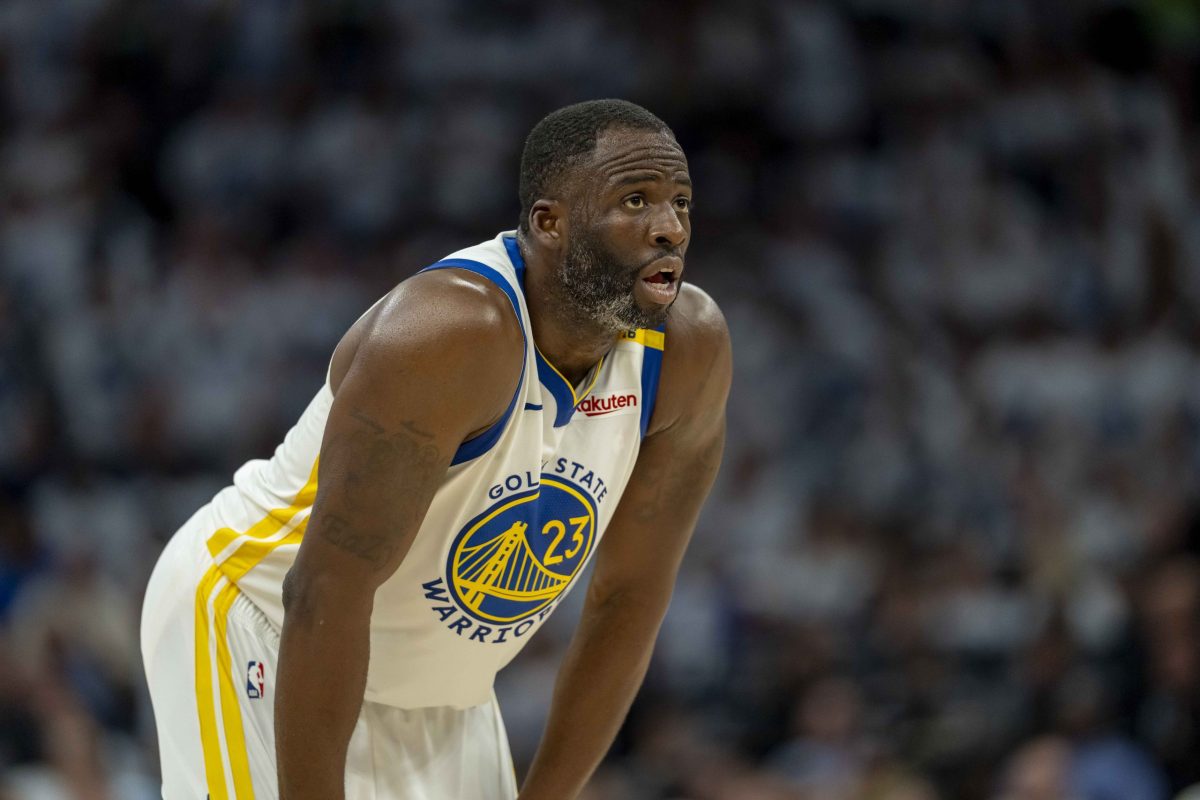
The Golden State Warriors made Draymond Green’s new one-year, $27.7 million contract official on Thursday, closing the book on a saga that began when he walked away from nearly identical money in June, per veteran NBA reporter Marc Stein.
On paper, Green ends up exactly where he started. The salary matches the player option he declined before free agency, and he will spend a 15th season with the only franchise he has ever played for.
But the deal he signed is not quite the deal he gave up, and the difference explains more about where the Warriors stand after their failed LeBron James pursuit than any press release could.
The fine print: no-trade protection out, trade kicker in
When ESPN’s Anthony Slater first reported the terms Tuesday, the headline detail was what the contract lacked. Green was eligible for a no-trade clause and did not receive one.
To further clarify: Draymond Green is waiving implicit no trade clause and will receive 15% trade kicker – just like previous deal. Designed as if he never declined option. Warriors have no intention to trade him, but maintain ability (and he'd get bonus).https://t.co/zk12tZXE2w
— Anthony Slater (@anthonyVslater) July 29, 2026
That alone undersold the situation, because the collective bargaining agreement had a wrinkle waiting. A veteran who re-signs with his own team on a one-year deal using Bird rights automatically gains the functional equivalent of a no-trade clause — the right to veto any deal — for that season.
Stein and cap experts flagged the mechanism within hours, and it briefly looked like Green held midseason veto power whether Golden State liked it or not. Then came the real story.
Green agreed to waive that implied protection and will receive a 15 percent trade kicker in exchange — a bonus paid out only if the Warriors move him.
The structure was “designed as if he never declined option.” Golden State has no intention of trading Green this season, but the front office deliberately preserved the ability to do so.
The LeBron gamble that reshaped Green’s summer
None of this happens without the pursuit that defined Golden State’s offseason. Green declined his option in June for one reason: clearing the flexibility the Warriors needed to chase James in free agency.
Had James chosen the Bay, the plan was for Green to return on a three-year, $60 million contract. James instead signed with the Philadelphia 76ers last week, ending a pursuit that had consumed the franchise for a month.
With the leverage play dead, Green and the Warriors settled back into the original terms within days, reaching agreement Tuesday through Klutch Sports CEO Rich Paul — who, in one of the offseason’s quieter ironies, represents both Green and the superstar whose decision reshaped Green’s summer.
Why the Anthony Davis trade never happened
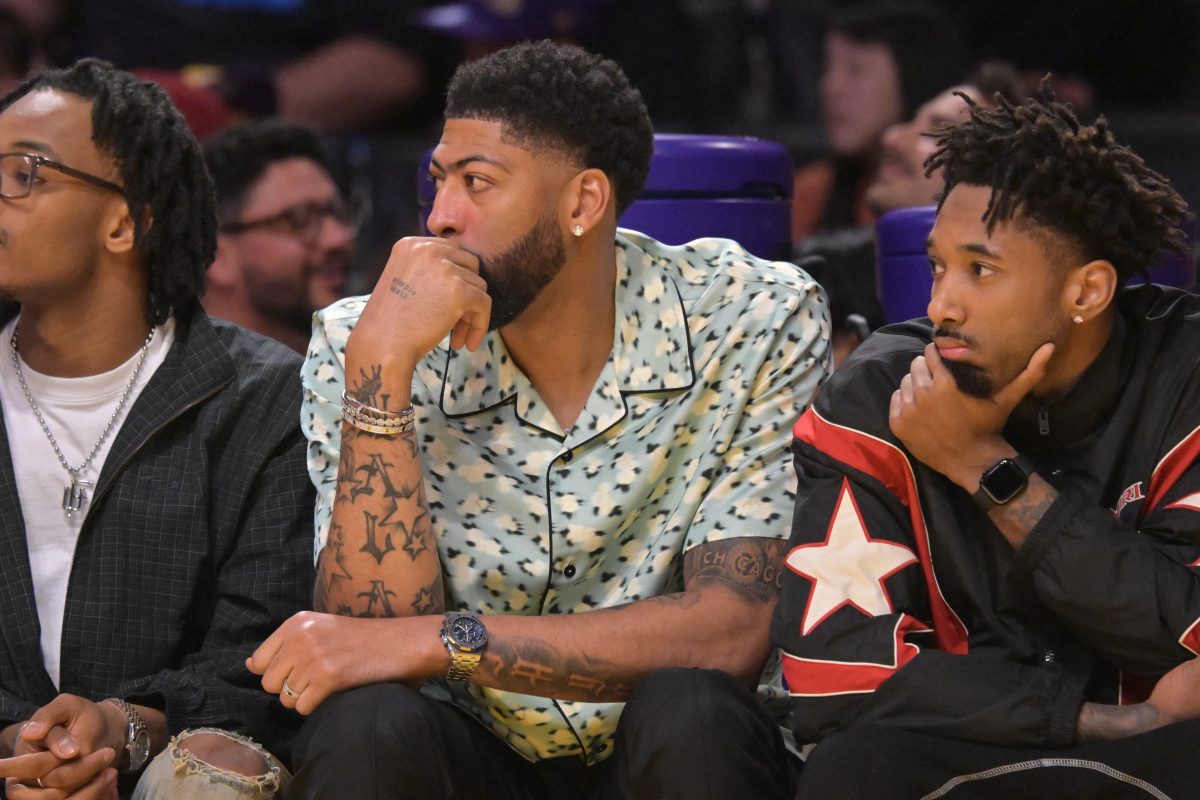
Thursday also brought the fullest accounting yet of the swing Golden State never took. The front office directly asked James’ camp whether a specific roster move would secure his commitment and never received one.
League sources did indicate there were subtle suggestions that a major upgrade would improve Golden State’s chances, and the name attached to that dynamic was Anthony Davis, who won the 2020 title alongside James with the Los Angeles Lakers. But the Warriors never seriously engaged the Washington Wizards, unwilling to surrender Jimmy Butler and significant draft capital without a firm commitment from James in return.
The front office had good reason for caution. League insiders drew comparisons to the 2019 trade in which Oklahoma City extracted Shai Gilgeous-Alexander, five first-round picks and two swaps from the Los Angeles Clippers for Paul George, knowing the Clippers were simultaneously closing on Kawhi Leonard. Wizards president Michael Winger was the Clippers’ general manager for that deal.
He understood exactly the leverage he would hold if Golden State called about Davis. The call never came. Steve Kerr framed the restraint as philosophy rather than timidity.
“[Sometimes] not making a move can be the best thing to do for your future,” Kerr said, crediting general manager Mike Dunleavy Jr. and owner Joe Lacob for staying aligned on that approach.
What it means for the 2026-27 Warriors
So the Warriors run it back. Stephen Curry, Butler, Green and Kristaps Porzingis return under Kerr, a veteran core with championship pedigree and a brutal availability question: Butler appeared in just 38 games for Golden State last season and Porzingis only 15.
Green, now 36, remains the connective tissue — the defensive organizer and small-ball fulcrum who has been part of all four titles of the Curry era and stands as the NBA’s second-longest-tenured player with one franchise, behind only Curry himself.
The contract’s structure is where the season’s suspense lives. As a re-signed free agent, Green cannot be dealt until Dec. 15 under standard CBA rules.
After that, the front office holds a clean $27.7 million matching salary with no veto attached — meaningful for a team that pursued Giannis Antetokounmpo at last season’s trade deadline with Green’s name in the conversation.
Nobody in the organization is forecasting a trade, and Green’s willingness to waive his protection reads as much like confidence as concession. But the Warriors just spent a month learning how quickly a superstar chase can materialize, and this time they made sure the mechanism stays oiled.
The deal that looks identical to the one Green opted out of carries one difference that could define Golden State’s February: The door he could have locked shut now swings freely, and both sides signed off on the hinges.